
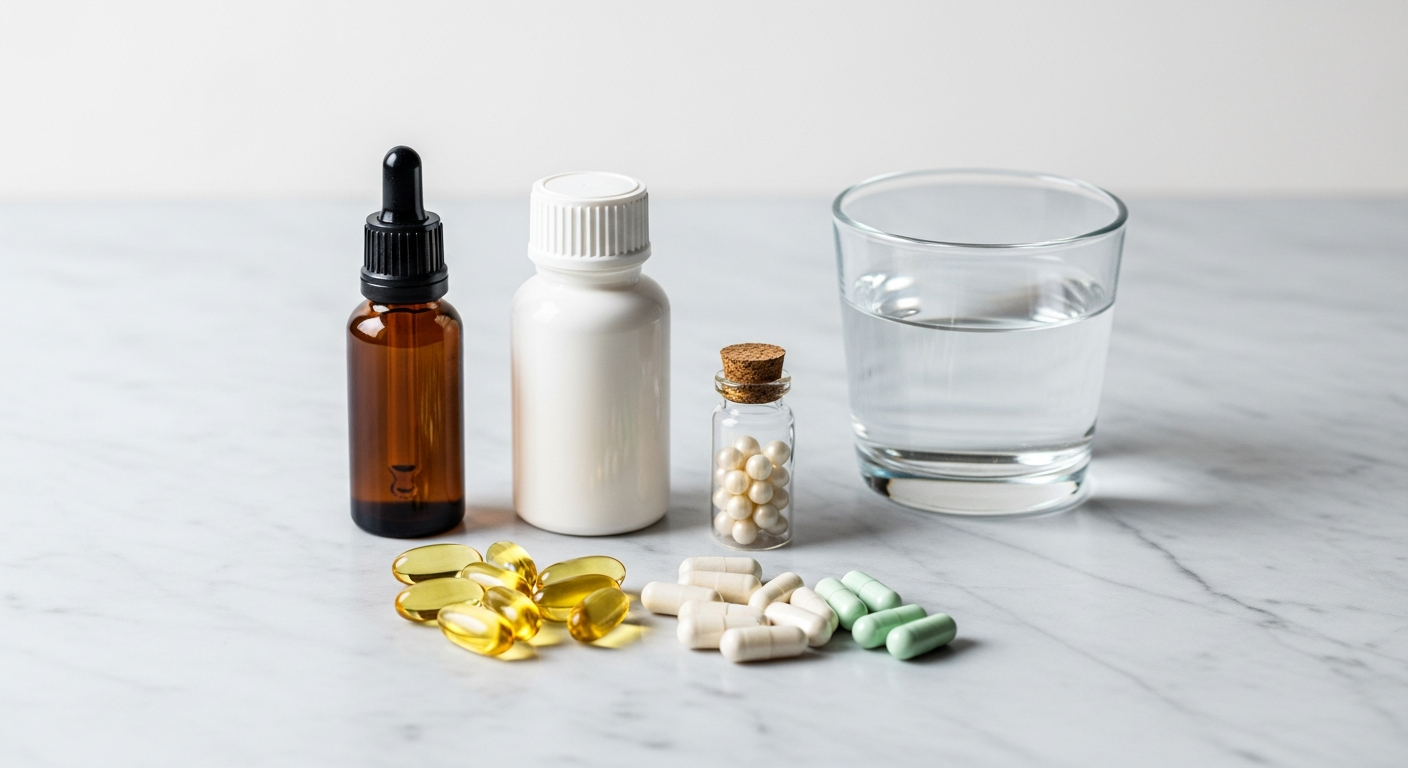

After 40, your nutritional needs shift. Declining estrogen affects calcium absorption, magnesium utilization, and vitamin D metabolism. Your body’s ability to produce certain nutrients decreases. But the supplement industry sells solutions to problems you might not have while ignoring deficiencies that genuinely affect your quality of life.
Supplements With Strong Evidence for Women Over 40
Magnesium glycinate (200-400mg nightly). Up to 75% of women don’t get enough magnesium. It supports sleep, stress management, muscle function, and bone health. Glycinate is the best-absorbed form with fewest digestive side effects.
Hormonal shifts after 40 are also one of the biggest female hair loss causes and treatments that work address directly.
Vitamin D3 (2,000-4,000 IU daily). Essential for calcium absorption, immune function, mood regulation, and hormone production. Get your levels tested – most women over 40 are deficient, especially if you live above the 37th parallel or work indoors.
Omega-3 fish oil (1,000-2,000mg EPA/DHA daily). Reduces inflammation, supports cardiovascular health, brain function, and gut barrier integrity. Choose a brand that’s third-party tested for purity.
Calcium (500-600mg daily if dietary intake is low). Bone density loss accelerates during perimenopause. Pair with vitamin D and K2 for optimal absorption.
Vitamin B complex. B6 supports progesterone production, B12 supports energy and neurological function (absorption decreases with age), and folate supports cellular repair.
What You Can Skip
Collagen supplements have minimal evidence for skin benefits beyond what a protein-rich diet provides. Biotin is only helpful if you’re genuinely deficient (rare). Detox supplements are marketing, not medicine. Multi-vitamins are generally unnecessary if you eat a varied diet and target specific deficiencies.
Frequently Asked Questions
When should I take supplements?
Fat-soluble vitamins (D, K, omega-3) with meals containing fat. Magnesium glycinate before bed. B vitamins in the morning (they can be stimulating). Iron, if needed, on an empty stomach with vitamin C.