
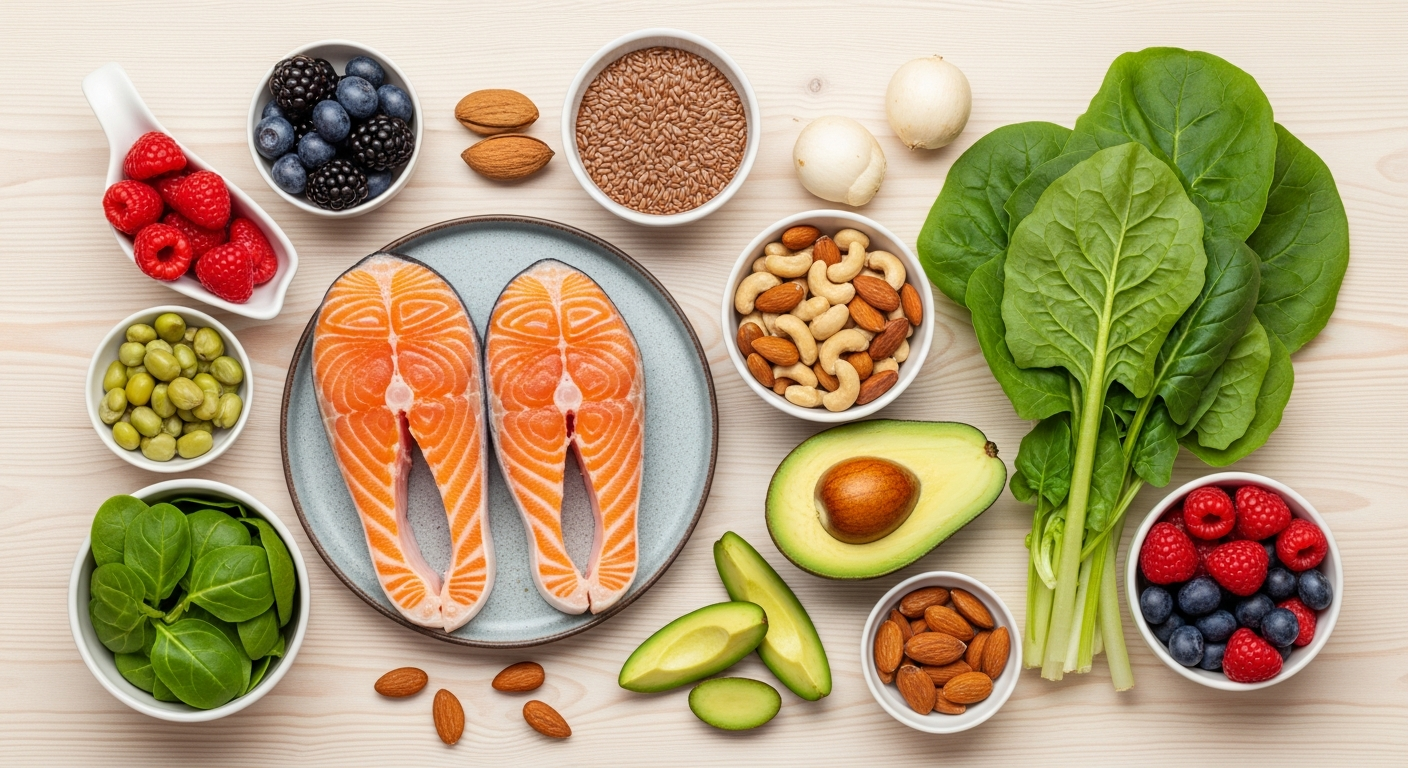

Your diet is one of the most powerful levers for hormonal health because food provides the raw materials your body uses to produce, metabolize, and eliminate hormones. The right foods support your estrobolome, reduce inflammation, stabilize blood sugar, and provide the micronutrients your endocrine system depends on. Meal timing matters too, and intermittent fasting protocols can either support or disrupt this balance depending on how they’re structured.
Foods That Support Estrogen Balance
Cruciferous vegetables (broccoli, cauliflower, kale, Brussels sprouts) contain indole-3-carbinol, which helps your liver metabolize estrogen into less potent forms. Flaxseeds contain lignans that act as mild phytoestrogens, helping modulate estrogen activity. Fiber-rich foods (legumes, oats, vegetables) support estrogen elimination through the digestive tract. Aim for 25 to 35 grams of fiber daily.
Hormone-balancing foods often overlap with anti-inflammatory ones; here’s how to reduce inflammation by eating this food.
If food alone isn’t closing the gap, the best supplements for women over 40 can fill in the nutrients that matter most for hormone balance.
Foods That Support Progesterone
Zinc-rich foods (pumpkin seeds, beef, chickpeas) support progesterone production. Vitamin B6 sources (salmon, chicken, bananas, sweet potatoes) are cofactors in progesterone synthesis. Magnesium-rich foods (dark chocolate, almonds, spinach) support both progesterone and sleep quality.
Foods That Support Thyroid Function
Selenium (Brazil nuts – just 2 per day provides your daily requirement), iodine (seaweed, fish, eggs), and zinc all support thyroid hormone conversion. Avoid excessive raw cruciferous vegetables if you have thyroid issues – cooking deactivates the goitrogenic compounds while preserving the estrogen metabolism benefits.
Foods That Reduce Cortisol
Omega-3 fatty acids from fatty fish reduce cortisol response to stress. Complex carbohydrates support serotonin production. Dark chocolate (70%+ cacao) provides magnesium and compounds that reduce cortisol. Limiting caffeine and alcohol prevents cortisol spikes that disrupt the entire hormonal cascade.
Frequently Asked Questions
Can food alone fix a hormonal imbalance?
Diet is foundational but not always sufficient. Significant hormonal disruptions may require medical evaluation and treatment alongside dietary optimization. Think of food as the foundation that makes other interventions more effective.