
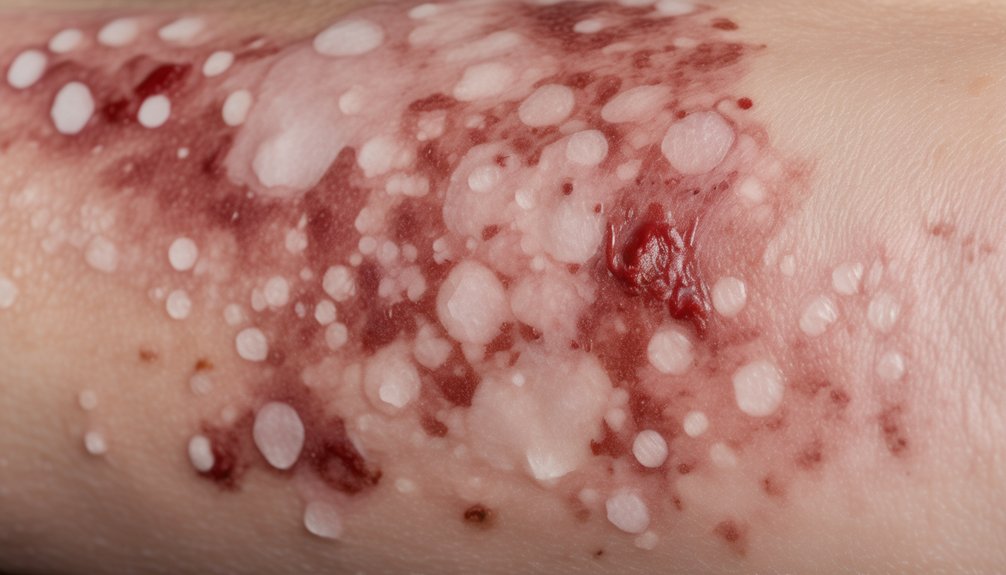

You should monitor red spots caused by mild allergic reactions or insect bites, noting any changes in size, color, or texture. Seek immediate medical attention if spots appear suddenly, grow rapidly, become painful or swollen, or are accompanied by fever or breathing difficulties. Keep a detailed record of your skin changes and consult a healthcare professional if spots persist beyond two weeks or worsen. Understanding these signs helps you manage your skin health effectively and know when to act.
Common Causes of Red Spots That Typically Require Monitoring
Although red spots on the skin can be concerning, many common causes usually only require monitoring rather than immediate medical attention.
Unexplained symptoms often travel in clusters; here are ear ringing causes linked to tinnitus.
You might notice these spots after allergic reactions, where your skin responds to irritants like certain foods or plants, causing mild redness and itchiness.
Insect bites also frequently cause red spots, often accompanied by slight swelling or tenderness. These spots typically heal on their own without treatment, as long as you avoid scratching or irritating the area further.
Keeping an eye on changes, such as size or pain, helps guarantee you maintain your freedom to manage minor skin issues safely.
Red Spots Indicating the Need for Immediate Medical Attention
When red spots on your skin appear suddenly and grow rapidly, you should seek immediate medical attention. Such changes can signal severe allergic reactions that require prompt treatment to prevent complications.
Additionally, certain skin infections may present with quickly spreading red spots, accompanied by pain, swelling, or fever, indicating a need for urgent care. Ignoring these signs risks worsening symptoms or systemic infection.
If you notice red spots combined with difficulty breathing, dizziness, or blistering, don’t wait—contact a healthcare provider immediately. Recognizing these warning signs empowers you to act swiftly and protect your health effectively.
Tips for Tracking Changes and When to Consult a Healthcare Professional
Monitoring the appearance and progression of red spots on your skin can help you determine when medical evaluation is necessary. Track any skin changes by noting size, color, shape, and texture, using photos and a journal for accuracy.
If spots grow rapidly, become painful, or show signs of infection, seek healthcare guidance promptly. Regularly reviewing your records allows you to identify concerning patterns early.
Don’t hesitate to consult a healthcare professional if you’re uncertain about changes or if red spots persist beyond two weeks. Staying proactive guarantees you maintain control over your skin health and freedom.
Frequently Asked Questions
Can Certain Foods Cause Red Spots on the Skin?
Yes, certain foods can trigger food allergies causing skin reactions like red spots. If you notice these after eating, you should monitor your symptoms closely and consider seeing a doctor to keep your freedom from discomfort.
Are Red Spots Contagious to Others?
Not all red spots are contagious, but certain skin conditions, including psoriasis, can cause similar-looking red patches without being contagious at all. You should watch for symptoms and practice good hygiene to protect your freedom and others’ health.
Can Stress Trigger Red Spots on the Skin?
Yes, stress can trigger stress-related conditions causing skin reactions like red spots. You’ll notice your skin reacting when you’re overwhelmed. Managing stress helps you regain control and keep your skin clear and free from flare-ups.
Do Red Spots Always Itch or Cause Discomfort?
No, red spots don’t always itch or cause discomfort. Some allergy reactions or skin conditions might feel itchy, but others won’t. You’ve got to watch your body and decide when freedom means seeking help.
Are There Home Remedies to Reduce Red Spots Safely?
You can try natural treatments like aloe vera or chamomile to soothe red spots. Applying gentle topical solutions with oatmeal or coconut oil also helps. Just make sure you’re not allergic before using these freely at home.