
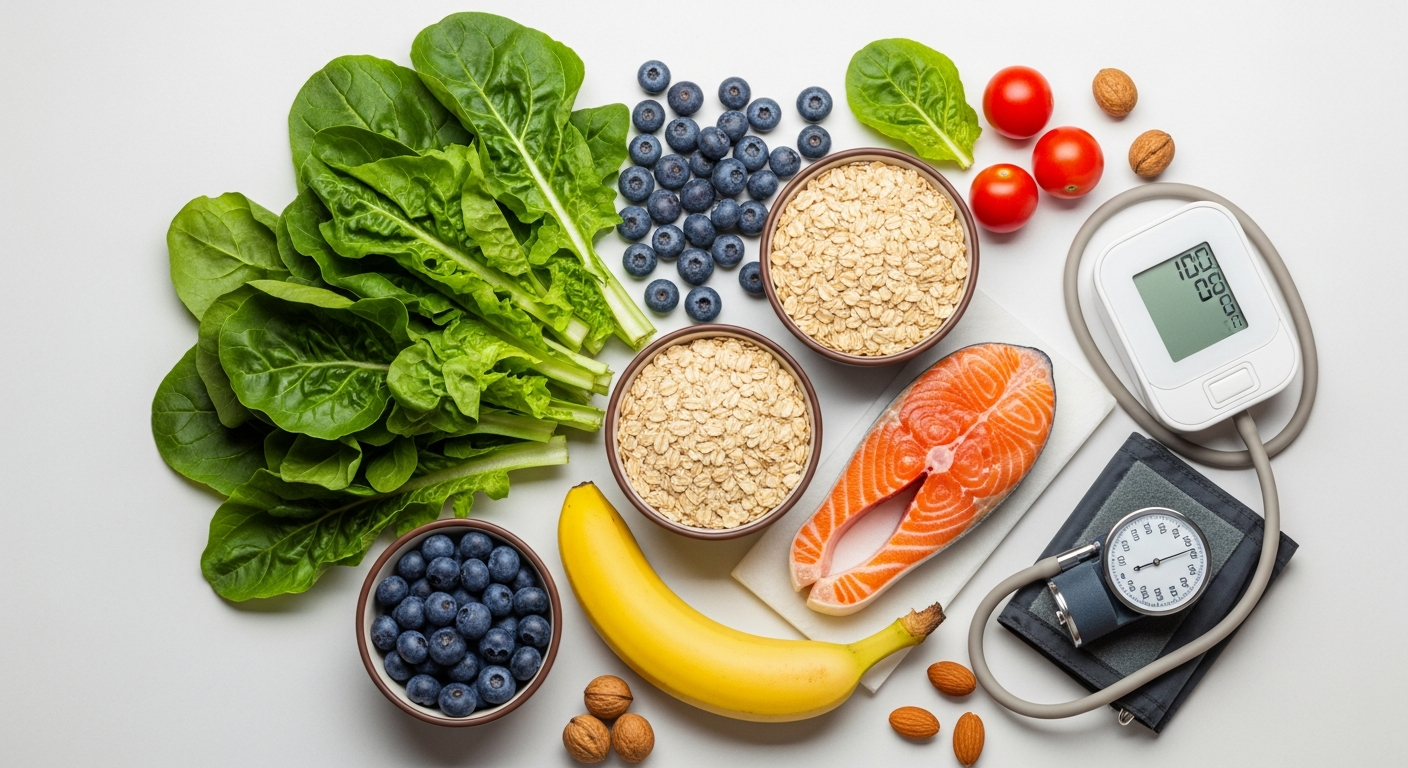

High blood pressure means the force of blood against your artery walls stays elevated over time. A reading of 130/80 mmHg or higher on separate occasions meets the American Heart Association threshold for stage 1 hypertension.
You cannot feel it happening, which is why it damages hearts, kidneys, and brains quietly for years.
If you are a woman reading this after a routine checkup flagged a number you did not expect, you are not alone.
Blood pressure risk shifts at specific points in a woman’s life, including pregnancy, birth control use, and menopause, in ways that generic advice often skips.
This guide walks through what your numbers actually mean, which lifestyle changes have real evidence behind them, and when a reading requires immediate medical attention. None of this replaces your doctor. It gives you the context to have a sharper conversation with one.
What Do Blood Pressure Numbers Actually Mean?
Blood pressure is written as two numbers: systolic (pressure when your heart beats) over diastolic (pressure between beats). The AHA and American College of Cardiology updated the categories in 2017, and those thresholds are still the clinical standard used today.
- Normal: below 120/80 mmHg
- Elevated: systolic 120-129 and diastolic below 80
- Stage 1 hypertension: systolic 130-139 or diastolic 80-89
- Stage 2 hypertension: systolic 140+ or diastolic 90+
- Hypertensive crisis: systolic above 180 and/or diastolic above 120
One high reading does not mean you have hypertension. Diagnosis requires an average of two or more readings taken on two or more separate occasions, per AHA guidance. Stress, caffeine, a full bladder, or a poorly fitted cuff can all skew a single number.
Why the Diastolic Number Still Matters
For years, systolic pressure got most of the attention because it tracks more closely with cardiovascular risk after age 50. Diastolic pressure still matters, especially in younger women. A diastolic reading consistently above 80 is an early signal worth tracking, not ignoring.
How Does Blood Pressure Risk Differ for Women?
Women face blood pressure risk factors tied to reproductive hormones that most generic guides never mention. Pregnancy, hormonal birth control, and menopause each shift your risk profile in specific, documented ways.
Pregnancy and Preeclampsia Warning Signs
Preeclampsia is a pregnancy complication marked by new-onset high blood pressure after 20 weeks, often with protein in the urine or signs of organ stress. It affects an estimated 5-8% of pregnancies in the United States, according to the Preeclampsia Foundation and CDC data.
Warning signs include a reading of 140/90 or higher, sudden swelling in the face or hands, severe headache, and vision changes. Call your OB or go to labor and delivery immediately if these appear.
This condition can escalate fast. It is not something to monitor at home alone.
Birth Control and Blood Pressure
Combined hormonal birth control containing estrogen can raise blood pressure in some women, typically within the first few months of use. The increase is usually modest, but it matters more if you already run high or have other cardiovascular risk factors.
Ask your prescriber to check your blood pressure before starting hormonal contraception and again at your follow-up visit. If you already have hypertension, a progestin-only method or non-hormonal option may carry less risk. That decision belongs to you and your clinician together.
Menopause and Rising Numbers
Blood pressure tends to climb after menopause. Research published by the American Heart Association links this shift to declining estrogen, weight changes, and vascular stiffening that accelerates during the transition.
Many women see their first hypertension diagnosis in their late 40s or 50s for this reason.
This is not a personal failure. It is a documented physiological shift. It is also a strong argument for starting home monitoring around perimenopause, even if your numbers still look normal.
What Lifestyle Changes Actually Lower Blood Pressure?
Sodium reduction, the DASH eating pattern, regular aerobic activity, weight management, and limiting alcohol each have documented, measurable effects on blood pressure. None of these replace medication if your doctor has prescribed it. They work alongside treatment, not instead of it.
The DASH Eating Pattern
DASH stands for Dietary Approaches to Stop Hypertension, a National Institutes of Health-backed pattern built around vegetables, fruits, whole grains, lean protein, and low-fat dairy.
The original DASH trial, published in the New England Journal of Medicine in 1997, lowered systolic pressure by roughly 5.5 mmHg.
When researchers combined DASH with sodium reduction in the follow-up DASH-Sodium trial, the systolic drop reached as much as 11.5 mmHg in people with hypertension. That is a bigger effect than many people expect from diet changes alone.
Cutting Sodium Without Losing Flavor
The AHA recommends capping sodium at 2,300 mg per day, with an ideal target closer to 1,500 mg for most adults with elevated blood pressure. Most sodium in the American diet comes from packaged and restaurant food, not the salt shaker at home.
Read labels for sodium per serving, not just total fat or calories. Herbs, citrus, garlic, and vinegar replace a good share of the flavor salt provides.
For a deeper breakdown of specific salt alternatives that actually taste good, that guide covers swaps by meal type.
Potassium-Rich Foods
Potassium helps your kidneys flush excess sodium and eases tension in blood vessel walls. The AHA recommends getting potassium from food sources like bananas, potatoes with the skin on, spinach, beans, and yogurt rather than supplements, unless your doctor directs otherwise.
People with kidney disease need to be cautious with potassium intake. Talk to your doctor before making major changes if you have any kidney condition or take medications that affect potassium levels.
Weight and Blood Pressure
Losing even a modest amount of body weight can lower blood pressure measurably. Clinical research summarized by the AHA shows roughly 1 mmHg drop in systolic pressure for every 2.2 pounds (1 kg) of weight lost in people who are overweight.
This is not about chasing a number on a scale. It is about the fact that visceral fat around your midsection actively drives inflammation and vascular resistance, and reducing it changes both.
Physical Activity That Moves the Number
The AHA recommends at least 150 minutes of moderate aerobic activity per week, such as brisk walking, cycling, or swimming. Studies cited by the AHA show this level of activity can lower systolic pressure by 5-8 mmHg in people with hypertension.
Consistency matters more than intensity here. Three 10-minute walks most days beats one exhausting workout you cannot sustain.
Alcohol and Smoking
Alcohol raises blood pressure in a dose-dependent way, and the CDC recommends limiting intake to one drink per day or less for women. Cutting back from heavier drinking has been shown to lower systolic pressure by several points within weeks.
Smoking causes an immediate, temporary spike in blood pressure with every cigarette. Long-term use damages artery walls in ways that compound hypertension risk.
Quitting delivers one of the biggest returns of any change here. Benefits to blood pressure and vascular health begin within days.
Sleep, Stress, and Caffeine
Poor sleep and chronic stress both keep your nervous system in a state that elevates blood pressure over time. The American Academy of Sleep Medicine links short sleep duration, generally under 7 hours per night, to higher hypertension risk in multiple population studies.
If sleep has been a struggle, a closer look at practical sleep hygiene strategies built for women’s schedules is a reasonable next step.
Chronic stress management matters too. A structured plan for lowering cortisol naturally covers techniques with more staying power than generic “just relax” advice.
Caffeine can raise blood pressure temporarily, especially in people who do not consume it regularly. If you already monitor your blood pressure at home, avoid caffeine for 30 minutes before taking a reading so it does not skew your number.
What Foods Should You Watch Beyond Sodium?
Sodium gets most of the attention, but ultra-processed foods, excess added sugar, and foods high in saturated fat also drive the weight gain and vascular strain behind rising blood pressure.
Whole, minimally processed foods support both blood pressure and broader cardiovascular health at the same time.
Liver health and blood pressure are more connected than most people realize, since a strained liver affects how your body processes fats and regulates blood volume. A rundown of the worst foods for liver health overlaps significantly with what a heart-healthy, blood-pressure-friendly plate avoids.
How Should You Monitor Blood Pressure at Home?
Home monitoring works best with a validated, cuff-style upper-arm device, not a wrist or finger monitor, per AHA testing guidance. Sit with your back supported, feet flat, and your arm at heart level for 5 minutes before taking a reading.
Take two readings one minute apart, at the same time each day, and log both numbers rather than just the lower one. Bring your log to every doctor’s visit.
A pattern over two weeks tells your clinician far more than a single office reading, which can run high from “white coat” anxiety alone.
When Should You Seek Medical Care Immediately?
A reading of 180/120 mmHg or higher combined with symptoms like chest pain, shortness of breath, severe headache, vision changes, or difficulty speaking is a hypertensive emergency. Call 911 or get to an emergency room immediately.
Do not wait to see if it comes down on its own.
If you get a reading that high without symptoms, most guidance recommends waiting five minutes and retesting. If it stays at or above that level, contact your doctor right away for guidance on next steps, per AHA protocol.
Never stop, skip, or adjust a prescribed blood pressure medication on your own, even if your home readings look good. Medication changes need to come from the prescribing clinician, since stopping abruptly can cause a dangerous rebound spike in some drug classes.
What Should You Do Next?
Start with a home monitor and two weeks of consistent morning and evening readings. Bring that log, along with your questions about diet, activity, and any medications or birth control you use, to your next appointment.
Lifestyle changes work best as a long-term foundation, not a quick fix you abandon after a few weeks. Small, sustained shifts in sodium, movement, sleep, and alcohol intake compound over months in ways a single dramatic change never will.
Frequently Asked Questions
Can you lower blood pressure without medication?
Some people with elevated or stage 1 hypertension can lower their numbers through diet, activity, weight loss, and reduced alcohol and sodium intake, based on AHA guidance. Whether this is appropriate for you depends on your specific numbers and risk factors, so this decision needs to be made with your doctor, not on your own.
How quickly can lifestyle changes lower blood pressure?
The original DASH trial showed measurable systolic drops within two weeks of starting the eating pattern. Exercise and sodium reduction can show effects within a similar timeframe, though full benefits typically build over 8-12 weeks of consistency.
What is considered a dangerously high blood pressure reading?
A reading of 180/120 mmHg or higher is classified as a hypertensive crisis by the AHA. If it comes with chest pain, shortness of breath, or vision changes, treat it as a medical emergency and call 911.
Does menopause cause high blood pressure?
Menopause does not directly cause hypertension, but the hormonal shifts, weight changes, and vascular stiffening that occur during this transition raise the risk substantially, according to AHA-cited research. Many women see their first elevated readings in perimenopause or shortly after menopause.
Can birth control pills raise blood pressure?
Combined hormonal birth control containing estrogen can raise blood pressure in some users, usually within the first few months. Anyone starting hormonal contraception should have their blood pressure checked before starting and at follow-up visits.
What is the best home blood pressure monitor?
The AHA recommends a validated, cuff-style upper-arm monitor over wrist or finger devices, which tend to be less accurate. Look for a device tested against AHA or the Association for the Advancement of Medical Instrumentation validation protocols.
Is stage 1 hypertension serious?
Stage 1 hypertension, defined as 130-139 systolic or 80-89 diastolic, raises long-term cardiovascular risk even without symptoms. It is typically an entry point for lifestyle intervention first, with medication added if numbers do not improve or other risk factors are present, per AHA treatment guidelines.